
Sedbergh Mead Journal


Learn about Mead

So what exactly is Mead?

Bee Diaries


Come and see our hives...

Lots of our vidoes are on our Sedbergh Beekeeping insta - click the link


What's going on in the hive in May ...

May is one of the busiest and most dramatic months inside a bee hive in the UK. Colonies are expanding fast, flowers are abundant, and the hive is focused on growth and reproduction.
Here’s what’s usually happening:
Population boom
The queen is laying thousands of eggs per day. The colony grows rapidly as spring nectar and pollen become plentiful.
Inside the hive you’ll find:
-
Eggs
-
Larvae being fed by nurse bees
-
Sealed brood ready to hatch
-
Huge numbers of young worker bees emerging daily
A strong hive can jump from a few thousand bees in early spring to 40,000–60,000+ by late May.
Heavy nectar and pollen collection
Worker bees are flying constantly to gather food from:
-
Hawthorn
-
Apple blossom
-
Oilseed rape
-
Horse chestnut
-
Dandelions
-
Bluebells and garden flowers
They bring:
-
Nectar → turned into honey
-
Pollen → protein for raising brood
-
Water → cooling the hive
-
Propolis → sealing gaps
Wax building
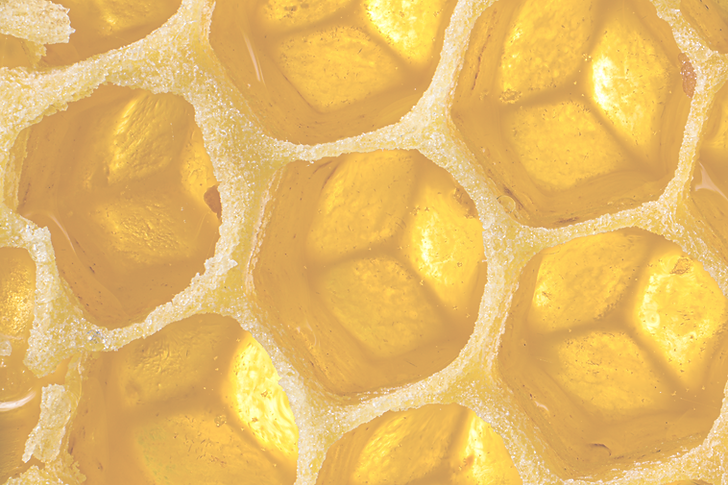
Young bees produce wax and build fresh honeycomb quickly during May because nectar is flowing strongly.
You may see:
-
Bright white new comb
-
Expanded brood nest
-
Honey storage areas filling up
Swarming season begins
This is the biggest event in May.
When the hive becomes crowded, the colony prepares to reproduce by swarming:
-
Queen cells are built
-
The old queen slims down for flight
-
Worker bees gorge on honey
-
About half the colony may leave with the old queen
The remaining bees raise a new queen.
Typical signs:
-
Large numbers of drones
-
Queen cells hanging from comb edges
-
Increased buzzing and congestion near the entrance
Drones appear
Male bees (drones) are produced in large numbers during May because queens from different colonies will soon need to mate.
Drones:
-
Do not forage
-
Are fed by workers
-
Spend time flying to drone congregation areas waiting for virgin queens
Intense communication
The hive becomes very active socially:
-
Waggle dances direct foragers to flowers
-
Pheromones coordinate colony behavior
-
Scouts search for swarm nesting sites
Recipes

Steamed Carrots with Mead

Mead Recipes

Honey Based Recipes


Spicy Rice and Chicken Sauce

Testimonials
“What I love about mead is the pace it sets. It’s not a rush drink. You sip it. You let it warm a little. You notice how it opens up instead of trying to dominate your palate. It feels calmer than beer, less performative than wine—more like it’s happy to exist without needing approval.”
Sarah Abbott, Founder